
Vanderpool Roofing · MATERIALS & SPECIFICATION
What is included in a shingle roofing system?
we solve your roofing problems
Understand common roofing components and the questions that connect material names to the work included in your estimate.
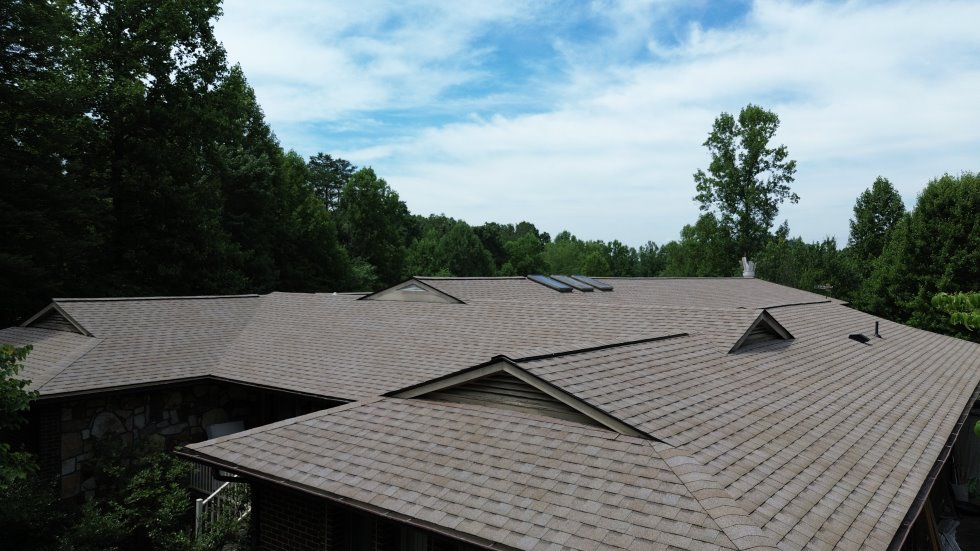 SAMPLE IMAGE · ORIGINAL VANDERPOOL GALLERY
Shingles are the visible part of a larger roof assembly. Your estimate should identify the proposed materials and explain where they will be used. Start by understanding the roof covering, the materials beneath it and the details where roof surfaces meet other parts of the building.
Put this into practice
Underlayment sits beneath the visible roof covering. Flashing helps manage water at transitions and openings. These terms should lead to a clear explanation of the work on your home, not just a longer list of product names.
Begin with the whole proposed scope
Ask the contractor to walk through the roof using a photograph, sketch, or written description. The aim is to connect unfamiliar terms to actual places. A list of product names is more useful when you know which item relates to an edge, a junction, an opening, or another part of the proposed work.
GAF’s replacement guide identifies components such as underlayment, flashing, and ridge caps as parts of a roofing project. Use that as a vocabulary starting point. It does not establish which materials are suitable for your roof, which are included in your price, or which products Vanderpool currently supplies.
Turn a product name into an answer
For each specified product, ask three questions: where does it appear in the scope, what is the reason for that choice, and which document describes it? Write the answers beside the product name. If a selection remains open, label it as open instead of letting a sample become an accidental final decision.
Keep the exact manufacturer, product line, and selected finish together when those details are available. Similar names can make later conversations confusing. If the proposal changes, ask for the updated specification and keep the earlier version for context. The written record should make the current choice clear.
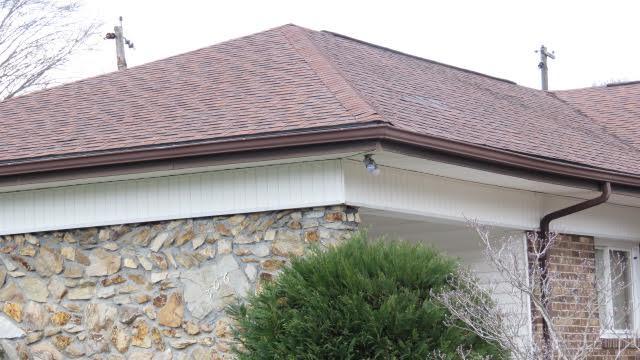
PUT IT TO WORK
Keep a substitution clear
If a different product is proposed later, ask for its exact name and the reason for the change. Record what replaces the earlier selection and which documents have been updated. Avoid relying on “equivalent” without a property-specific explanation.
Separate visible choices from assessed requirements
Color and appearance invite personal preference. Other decisions depend on the building and the proposed work. Ask which selections are yours to make, which require a professional assessment, and which depend on confirmed availability. That distinction prevents hours spent comparing an option that is not part of the project.
For example, you may prefer a darker roof in a photograph. That preference does not identify the product pictured or prove that it fits your proposal. Start with the products actually being considered, then use physical samples and your home’s exterior to compare their appearance. The color selection guide develops that process.
Keep the documents useful
- Save the current product information beside the estimate.
- Check that the names match the written proposal.
- Record which options are selected and which remain undecided.
- Ask who will explain any proposed substitution.
- Keep applicable product coverage separate from workmanship commitments.
- Request clarification where the documentation and conversation differ.
A brochure is background information. It does not, by itself, establish contractor certification, eligibility for particular coverage, or compliance of a particular installation. Ask for project-specific answers when those matters affect your choice. Avoid turning a logo on a website into an assumption about your own contract.
Build a materials decision sheet
Use four columns to turn the conversation into a specification you can follow. This is an organizing tool, not a technical design. The contractor supplies the property-specific explanation; you identify what is still undecided.
| Decision | Record | Check against | If unresolved |
|---|---|---|---|
| Visible roof product | Manufacturer and product line | Current written proposal and product document | Keep the product open; do not choose by photograph. |
| Appearance | Exact color or finish | Labeled physical sample and selection record | Set a selection step before ordering. |
| Related roof details | Where each named material is used | Assessed scope and an explanation of its purpose | Request the missing location or reason. |
| Proposed substitution | New product and what it replaces | Revised scope and product information | Keep the earlier version until the change is clear. |
Mark each row confirmed, open selection, or needs assessment. Those labels distinguish a preference you can resolve from a condition that needs professional evaluation. A gallery image can support an appearance discussion, but cannot fill in a hidden assembly or identify its product brand.
Finish with a short decision list
At the end of the conversation, list the confirmed materials, your remaining selections, and the questions requiring further assessment. Give each open item a person and a next step. Bring that list to the estimate comparison. A good materials discussion should leave you with fewer ambiguities and a clearer description of the work.
Further reading
KEEP READING
The next useful question.
 SAMPLE IMAGE · ORIGINAL GALLERY
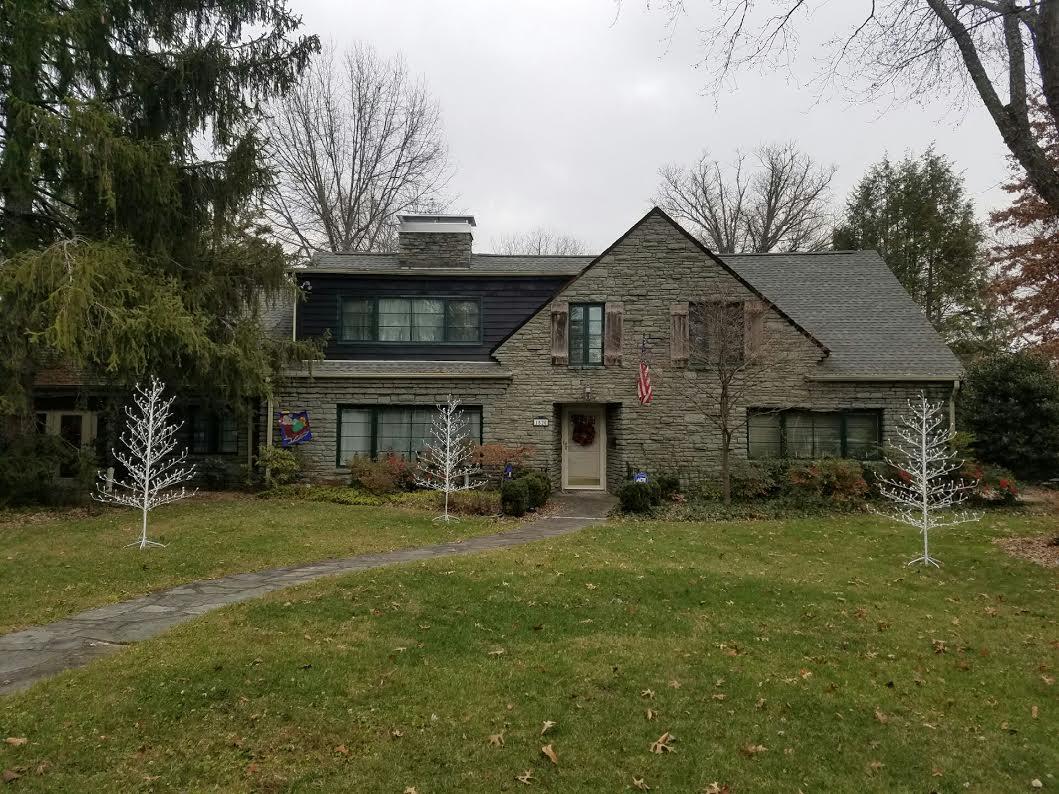
How to choose shingle colors for brick, stone and siding
Choose the roof color alongside the exterior materials you plan to keep. Compare a small set of real samples with your brick, stone, siding and trim, then step back and look at the whole house. Record the exact product and color before the choice becomes an order.
 SAMPLE IMAGE · ORIGINAL GALLERY
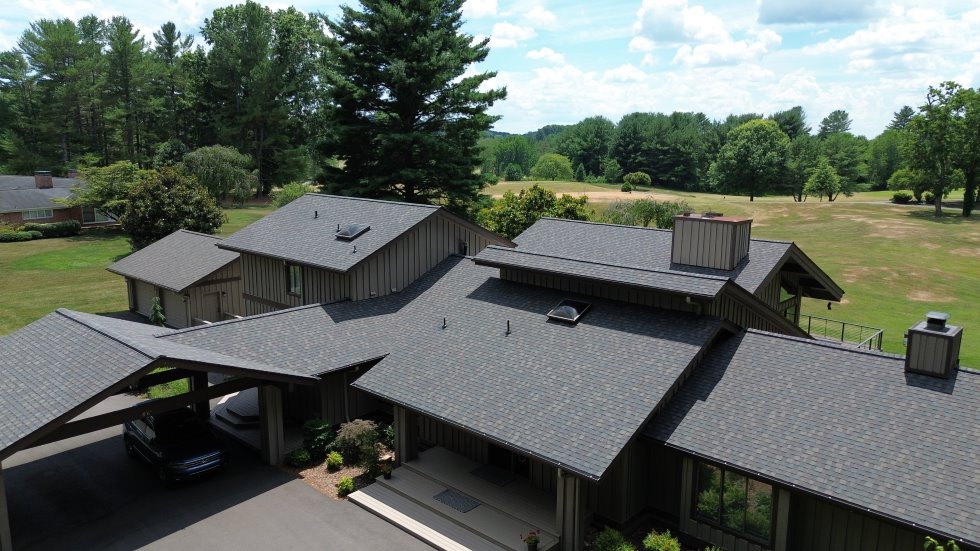
How to compare roofing estimates beyond the total price
Two roofing estimates can look similar while covering different work. Put the scope beside the total: which roof areas are included, which materials are named, what happens to the old roofing and what is priced separately? Resolve those differences before deciding which proposal offers the work you need.