
Vanderpool Roofing · ESTIMATES & SCOPE
How to compare roofing estimates beyond the total price
we solve your roofing problems
Compare roofing estimates by scope, materials, removal, cleanup, exclusions and coverage documents before comparing the total price.
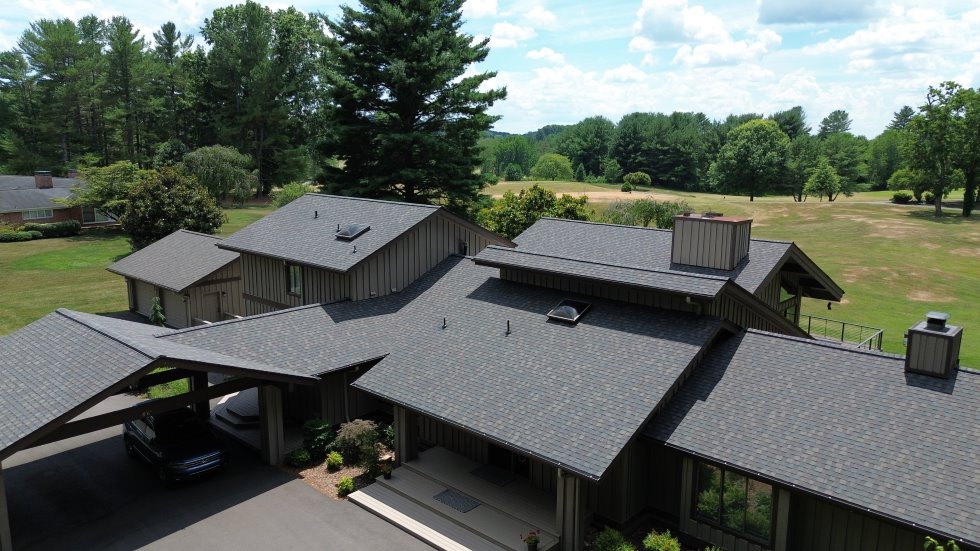 SAMPLE IMAGE · ORIGINAL VANDERPOOL GALLERY
Two roofing estimates can look similar while covering different work. Put the scope beside the total: which roof areas are included, which materials are named, what happens to the old roofing and what is priced separately? Resolve those differences before deciding which proposal offers the work you need.
Example to compare
Proposal A names the product and includes removal and disposal. Proposal B says only “new roof.” Mark those missing details as unconfirmed. Ask for them in writing before treating B as the same job at a different price.
Give everyone the same starting brief
Write a short description of the property and the concern you want assessed. Include the same existing records, photographs, and timing needs when speaking with each contractor. If you are considering alternatives, say so. One person may otherwise price a focused repair while another assumes a replacement project.
Keep each estimate’s date and version. A later email may change a material, an allowance, or the work area. Save that revision with the original, then clearly mark which version you are comparing. A price copied into a phone note is hard to interpret once the details change.
Build a scope comparison you can read
Use one sheet with a column for each proposal. Copy the contractor’s wording where it matters, particularly product names and exclusions. Add a separate column for questions. You do not need a technical diagnosis to identify that one scope says something the other leaves unexplained.
| Compare | Question to resolve |
|---|---|
| Work area | Which roof sections and related tasks are included? |
| Materials | Which products are specified, and which selections remain open? |
| Existing conditions | What is known, assumed, or subject to further assessment? |
| Changes | How will additional work be described and agreed? |
| Site arrangements | What access, protection, disposal, and cleanup are included? |
| Closeout | What records and applicable coverage documents will be supplied? |
GAF’s roof replacement overview describes multiple components and project tasks. It is useful background for reading terminology, but your actual proposal determines what is being offered. A general manufacturer article does not add an omitted item to a contractor’s scope.
PUT IT TO WORK
Write one neutral follow-up
“Please confirm whether the attached scope includes the listed roof areas, the named materials, and disposal. Please identify exclusions and explain how additional findings would be handled.” Send the same questions when the same information is missing.
Test whether two prices describe the same project
Here is a hypothetical comparison without invented prices. Proposal A identifies two roof areas, names the product, and includes removal and disposal. Proposal B says “roof replacement” and lists a total. The unanswered fields in B prevent a meaningful comparison.
| Line to reconcile | Proposal A | Proposal B | Your action |
|---|---|---|---|
| Work area | Two named roof areas | Not identified | Request the same marked-area description. |
| Product | Exact product named | General material only | Request the proposed specification. |
| Removal/disposal | Included | Not stated | Confirm inclusion or exclusion in writing. |
Do not give a blank field a zero or assume it is included. Label it “unconfirmed.” Once B is clarified, update the sheet with the response date. If it describes different work, compare the reasons for those differences before comparing the totals.
A clear exclusion is useful information. Keep it visible even when you prefer that proposal. The comparison is ready when you can explain the same six categories for each option, including the work that remains outside it.
Keep coverage and timing separate
Request the actual documents for any product coverage or workmanship commitment being offered. Record who provides each one and where to direct a question. Avoid treating a headline duration as a complete description. Your comparison sheet should point to the document, not attempt to replace it.
For timing, distinguish a requested date, a provisional plan, and a confirmed arrangement. Ask what must happen before work can be scheduled and who will communicate changes. If access restrictions or another project affect your availability, include them before a date is discussed.
Make the follow-up easy to answer
Send a numbered list of the missing items and ask for a response against each. Keep the response with the estimate. When the differences are clear, summarize what each option includes and what remains outside it. If you cannot explain that summary, continue the conversation before deciding.
The materials question guide helps with product terminology. The roofing records guide gives you a simple way to keep the final scope, changes, and closeout documents together. A useful estimate becomes part of a record you can understand long after the work is discussed.
Further reading
KEEP READING
The next useful question.
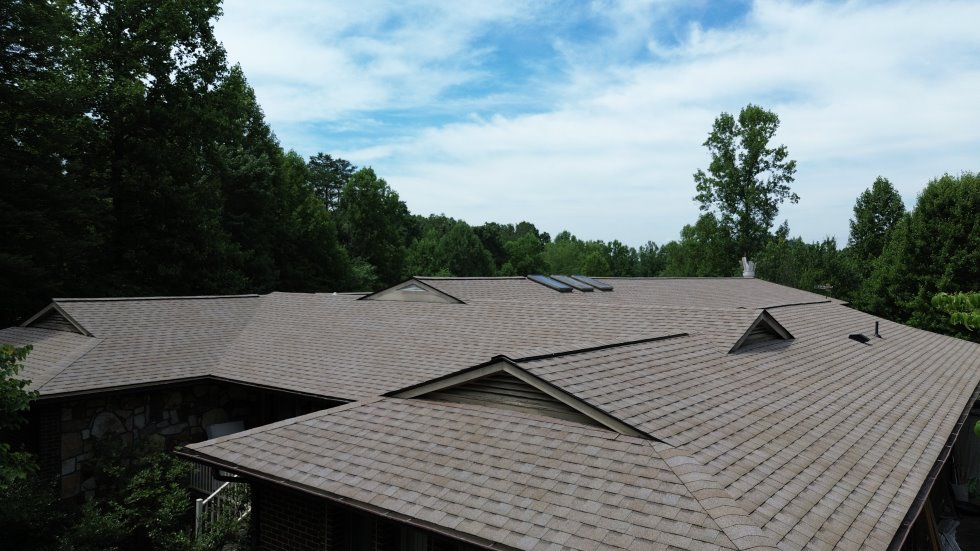 SAMPLE IMAGE · ORIGINAL GALLERY
What is included in a shingle roofing system?
Shingles are the visible part of a larger roof assembly. Your estimate should identify the proposed materials and explain where they will be used. Start by understanding the roof covering, the materials beneath it and the details where roof surfaces meet other parts of the building.
 SAMPLE IMAGE · ORIGINAL GALLERY
Roofing paperwork to keep after the job
Keep the final scope, product selections, changes and applicable coverage documents in one place. Those records help you explain what was done when a future question arises or responsibility for the property changes.