
Vanderpool Roofing · COMMERCIAL PLANNING
Plan commercial roofing work around your building's operations
we solve your roofing problems
Plan roof work around building access, deliveries, occupants and equipment. Use a practical brief to organize project decisions.
 SAMPLE IMAGE · ORIGINAL VANDERPOOL GALLERY
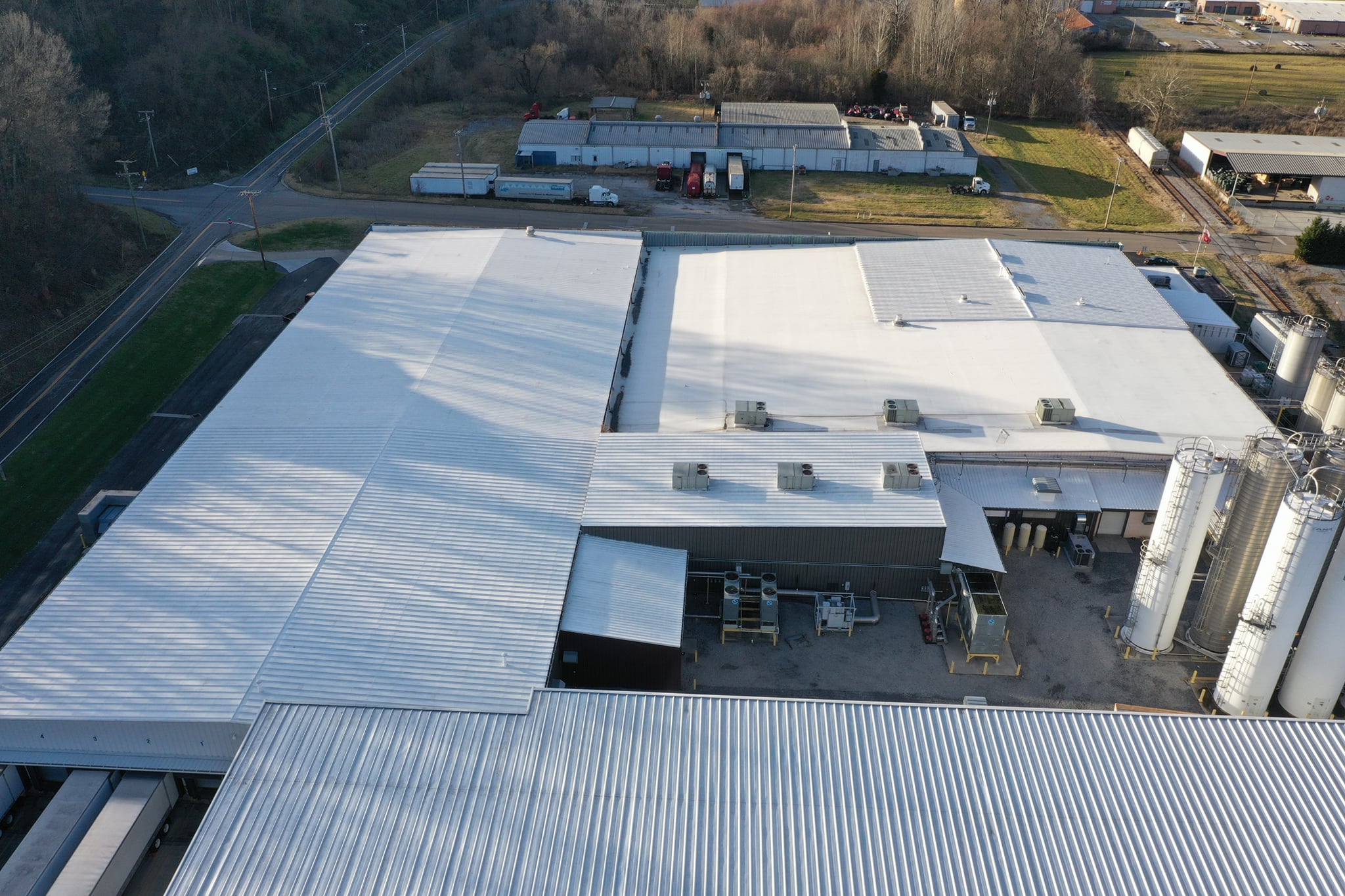
Before setting a roofing schedule, identify what the building needs to keep doing. Deliveries, occupied entrances, equipment servicing and restricted areas all belong in the project discussion. Combine those requirements with the roof findings so the proposed plan addresses both.
Example to compare
If deliveries use the rear loading area each morning, put that route and timing in the brief. Ask where the proposed roofing work needs access and how any conflict will be handled. A start date alone does not resolve the access plan.
Build a usable roof history
Collect available drawings, installation records, earlier repair descriptions, inspection reports, and applicable coverage documents. List known concerns by location and date. A simple plan of the building can help relate an interior report to a specific area without assuming that it identifies the cause.
Keep missing information visible. An unknown installation date, uncertain system description, or incomplete repair history should remain an open item. Ask the person assessing the roof what can be established from available evidence and which details require further investigation. Do not fill gaps with a neighboring building’s specification.
Describe the operation beneath the roof
Write down how the building is used, who occupies it, and which activities have timing constraints. This might include deliveries, public access, storage, production, or areas where advance notice is particularly important. These are planning inputs; the contractor still needs to explain how the proposed work affects them.
Identify the people responsible for building access, roof access, equipment, occupant communication, and project decisions. Ask what coordination is needed with other service providers. A list of names alone is insufficient if no one knows who can approve a change or communicate with occupants.
PUT IT TO WORK
Name the operating constraint
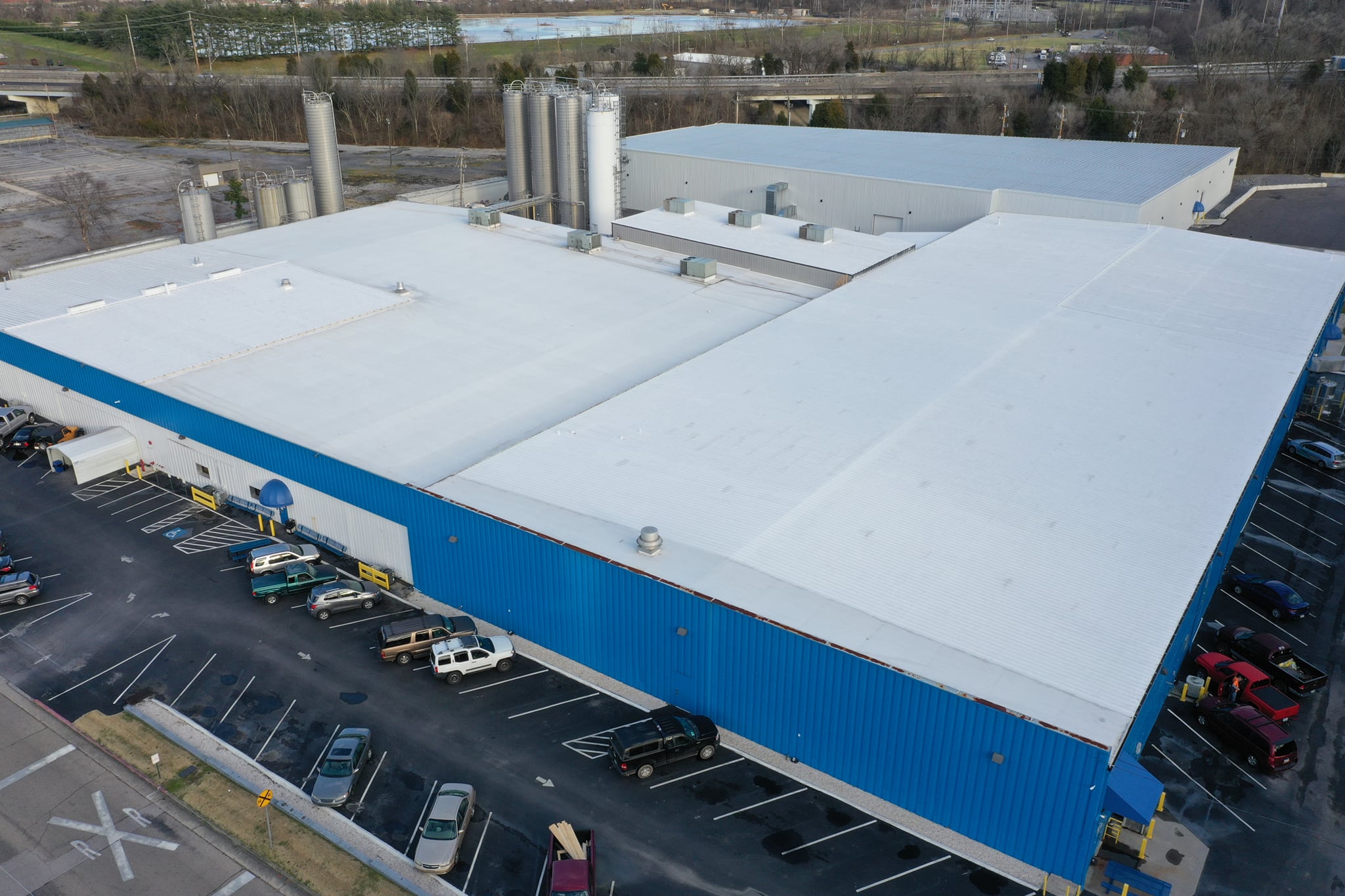
Instead of “work around our business,” describe the actual need: a delivery route, an occupied entrance, a restricted area, or a time when a contact is available. Ask how the proposed work plan addresses it and record what remains unresolved.
Map the responsibilities before discussing the schedule
| Responsibility | Name the person who can answer | Record before the plan is agreed |
|---|---|---|
| Owner decisions | Project contact and backup | Who receives findings and approves a proposed change. |
| Building access | Facilities or site contact | Entry arrangements, restrictions, and approved staging areas. |
| Occupant communication | Owner’s designated contact | Who communicates the agreed work plan and updates. |
| Rooftop equipment | Responsible owner contact and service provider | What coordination is needed and who arranges it. |
| Project records | Named records owner | Where final scope, changes and closeout information will be kept. |
Walk through the site-planning questions with the responsible people: where deliveries arrive, where materials and waste may be staged, which entrances must remain accessible, and which operating times affect the proposal. Record the agreed arrangement rather than assuming “normal access.”
In a hypothetical example, a loading area receives deliveries each morning. Mark that route and timing in the brief. The contractor can then explain the proposed arrangement and any remaining dependency. A start date alone does not resolve access, equipment or occupant coordination.
Separate condition findings from project choices
Request a written explanation of the assessed condition, the recommended work, and the alternatives considered. Ask which parts of the proposal address a current concern and which support a broader plan. If the assessment has limits, keep them alongside the recommendation.
The NRCA maintenance bulletin supports planned inspection and maintenance as part of managing a roof over time. That general guidance does not identify the appropriate work for this building, guarantee performance, or establish that a particular maintenance service is offered by Vanderpool.
Plan the handover as carefully as the start
Agree what information the owner will receive when the proposed work is complete. Ask for the final scope, documented changes, relevant product information, applicable coverage documents, and the contact route for a future question. Keep inspection or maintenance recommendations with the same record.
Choose a place for the documents that the next building manager can find. Record the person responsible for keeping it current. A project history that lives only in one inbox may become difficult to use when responsibilities change.
Use the estimate guide to compare written scopes and the records guide to organize closeout information. The goal is a project brief that lets the roofing conversation and the building’s operating needs be considered together.
Further reading
KEEP READING
The next useful question.
 SAMPLE IMAGE · ORIGINAL GALLERY
How to compare roofing estimates beyond the total price
Two roofing estimates can look similar while covering different work. Put the scope beside the total: which roof areas are included, which materials are named, what happens to the old roofing and what is priced separately? Resolve those differences before deciding which proposal offers the work you need.
SAMPLE IMAGE · ORIGINAL GALLERYRoofing paperwork to keep after the job
Keep the final scope, product selections, changes and applicable coverage documents in one place. Those records help you explain what was done when a future question arises or responsibility for the property changes.