
Vanderpool Roofing · RECORDS & FOLLOW-UP
Roofing paperwork to keep after the job
we solve your roofing problems
Keep the final scope, product selections, changes and coverage documents together for future questions about your roofing project.
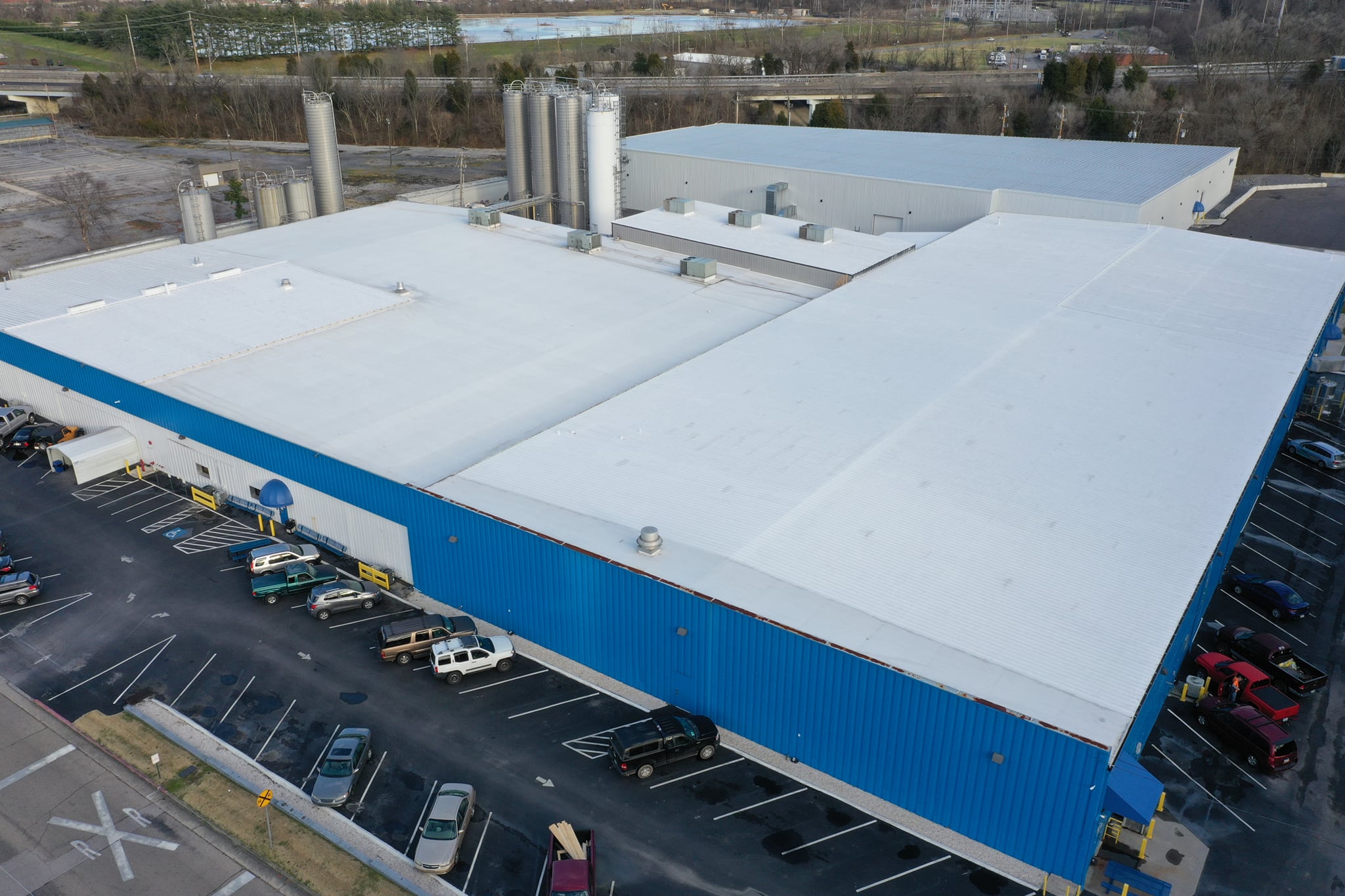 SAMPLE IMAGE · ORIGINAL VANDERPOOL GALLERY
Keep the final scope, product selections, changes and applicable coverage documents in one place. Those records help you explain what was done when a future question arises or responsibility for the property changes.
Example to compare
Could another family member or property manager find which roof area was worked on, which product was selected and whom to call? Put those three answers on the first page of the folder.
Start the folder before the work
Create one place for the project, whether that is a paper folder, a digital folder, or both. Label it with the property and project description. Add the brief you first shared, photographs you already had, and any earlier roofing records that explain the conversation.
Use dates in filenames or on paper notes. Keep proposals from different contractors separate so their product selections and terms do not become mixed. Once you choose an approach, identify the agreed version clearly while retaining the earlier documents for reference.
Keep decisions with their reasons
Save the final scope, selected materials, and any written clarifications. If a color or product is chosen after the initial estimate, place the selection beside it. A future reader should be able to find the exact names without reconstructing a chain of messages.
When a change is proposed, keep the explanation, supporting photographs or notes, and the revised scope together. Record the decision that followed. This is an organizational practice, not a substitute for reading the actual agreement or obtaining advice about its terms where needed.
- Original concern and property brief.
- Agreed proposal and dated revisions.
- Confirmed product and color selections.
- Written answers to important questions.
- Documented changes and related decisions.
- Completion information and supplied photographs.
- Applicable coverage documents and contact details.
- Future inspection or maintenance recommendations.
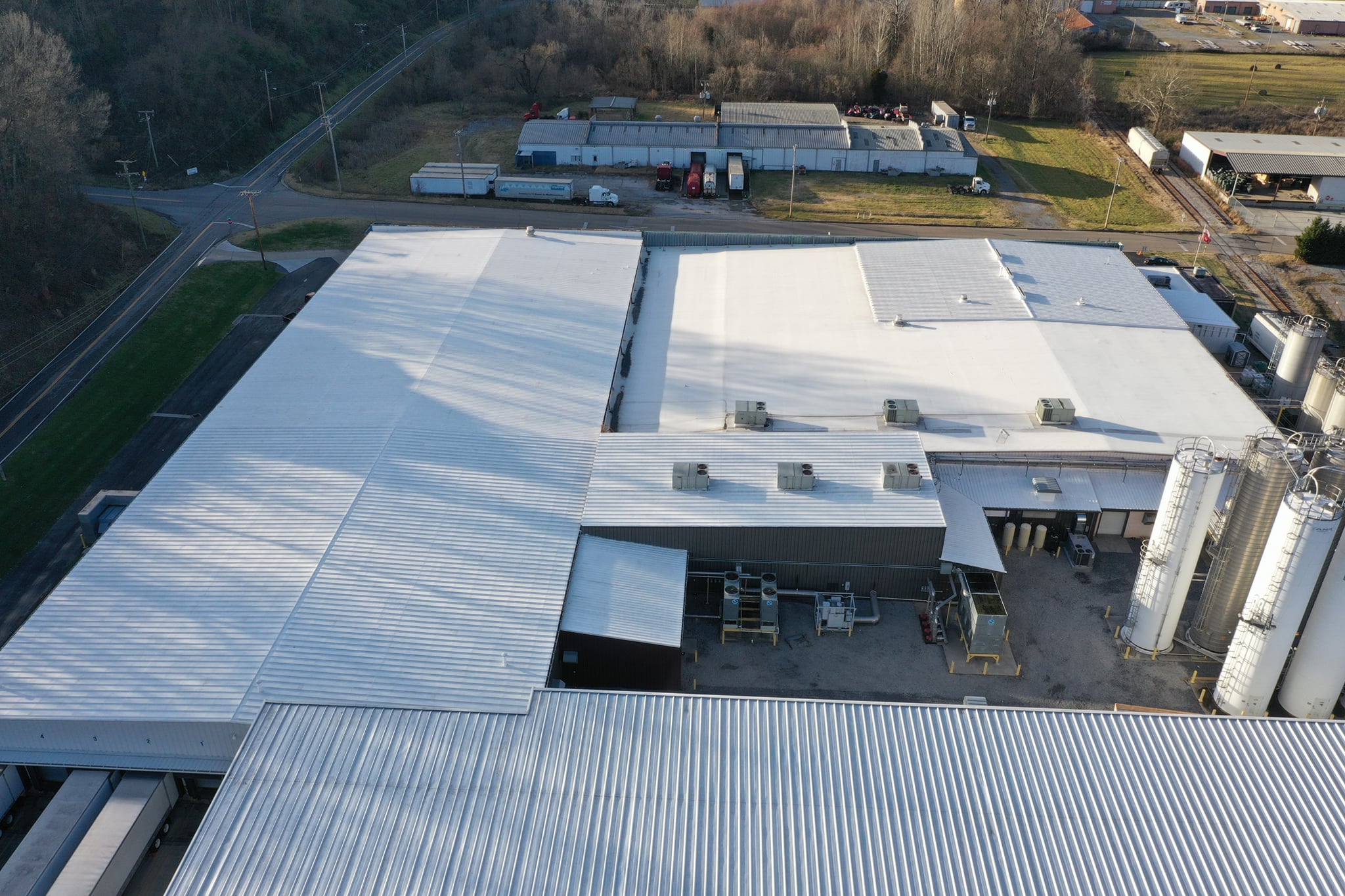
PUT IT TO WORK
Test the handover
Ask whether a family member or new manager could locate the work area, final scope, selected materials and next contact without your explanation. Add a one-page index wherever the answer is unclear.
Ask what will be supplied at completion
Discuss closeout records before the project reaches its end. Ask which documents will be provided and who will send them. The useful question is specific: “Which product information and applicable coverage documents should I expect for this work?” That is easier to answer than a broad request for “all the paperwork.”
Keep manufacturer documents and contractor commitments separate and label each by provider. Read the actual terms relevant to the project rather than relying on a headline duration. The NRCA maintenance bulletin cautions that warranty language alone does not establish roof performance. Its general guidance cannot confirm what coverage applies to your own work.
Create a folder that explains itself
Use a short index so someone unfamiliar with the conversation can find the current record. The numbering below is a filing suggestion; adapt it to the documents actually supplied.
| Folder | What belongs here | Make this clear |
|---|---|---|
| 01 · Starting brief | Original concern, photos and known history | Which facts were known at the start. |
| 02 · Agreed scope | Final proposal and written clarifications | Which version governs the agreed work. |
| 03 · Selections | Product, color and other confirmed choices | Exact names and unresolved selections. |
| 04 · Changes | Findings, revised scope and decisions | What changed, when, and which version followed. |
| 05 · Completion | Supplied completion and coverage documents | Who provided each document and the next contact. |
| 06 · Follow-up | Later observations and professional recommendations | Date, context and responsible person. |
Test the folder with a hypothetical handover to a family member or new building manager. Could they find the work area, selected materials, final scope and contact? Add one explanatory line wherever the answer depends on your memory.
Keep a backup in a place you control and share access only where needed. Property and personal contact details belong in the private record. A public post is not a substitute for keeping the project documents.
Add future observations without rewriting history
After the project, place later inspection notes, maintenance information, and new concerns in date order. Preserve the original documents. If a detail needs correcting, add a clearly dated note explaining the correction rather than silently changing an earlier record.
Ask the relevant professional which follow-up arrangements fit the roof and the completed work. Do not infer a maintenance schedule or an ongoing service commitment from a photograph, a general article, or the existence of a warranty document.
The estimate comparison guide helps establish the record at the beginning. For a commercial property, the project planning guide adds building access and operating responsibilities. The aim is simple: make the next roofing conversation start with useful information already within reach.
Further reading
KEEP READING
The next useful question.
 SAMPLE IMAGE · ORIGINAL GALLERY
How to compare roofing estimates beyond the total price
Two roofing estimates can look similar while covering different work. Put the scope beside the total: which roof areas are included, which materials are named, what happens to the old roofing and what is priced separately? Resolve those differences before deciding which proposal offers the work you need.
SAMPLE IMAGE · ORIGINAL GALLERYPlan commercial roofing work around your building's operations
Before setting a roofing schedule, identify what the building needs to keep doing. Deliveries, occupied entrances, equipment servicing and restricted areas all belong in the project discussion. Combine those requirements with the roof findings so the proposed plan addresses both.