
Vanderpool Roofing · FIRST APPOINTMENT
What to have ready for a roofing estimate
we solve your roofing problems
Prepare the essential property, contact and project details for a roofing estimate without guessing the cause of the problem.
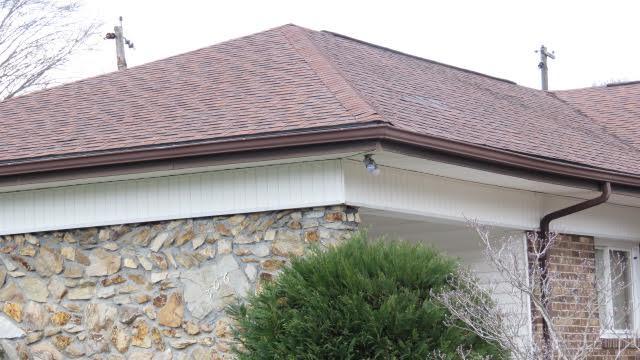 SAMPLE IMAGE · ORIGINAL VANDERPOOL GALLERY
You do not need a complete roof history to ask for an estimate. Start with the property location, what needs attention and how to reach you. Previous invoices, safe photographs and access details are useful if you already have them.
Put this into practice
Property location; concern or planned work; best contact; access restrictions; previous repair information if available. Leave unknown details blank rather than delaying the request.
Write a one-page property brief
Start with your contact details, the property address, and the reason for the appointment. Describe the concern in ordinary language. Include when you first noticed it, where it appears, and whether it has happened before. If you are planning work rather than reporting a concern, explain the decision you hope to make.
Keep known facts separate from estimates. An invoice may establish an installation date; a memory from a previous owner may only suggest one. Label those differently. An honest “I do not know” is useful because it tells the person assessing the property where more information may be needed.
Gather what you already have
Bring previous proposals, repair descriptions, product records, and photographs that relate to the issue. Put them in date order if possible. You do not need a perfect archive. A small, clearly labeled collection is easier to use than a large folder with no explanation of what each item shows.
For photographs, add a short note identifying the room or viewpoint and the date. If you have several images of a changing mark, keep the sequence. Do not take risks to obtain a better image. The appointment is an opportunity to discuss what assessment is appropriate, not a test of your ability to inspect a roof.
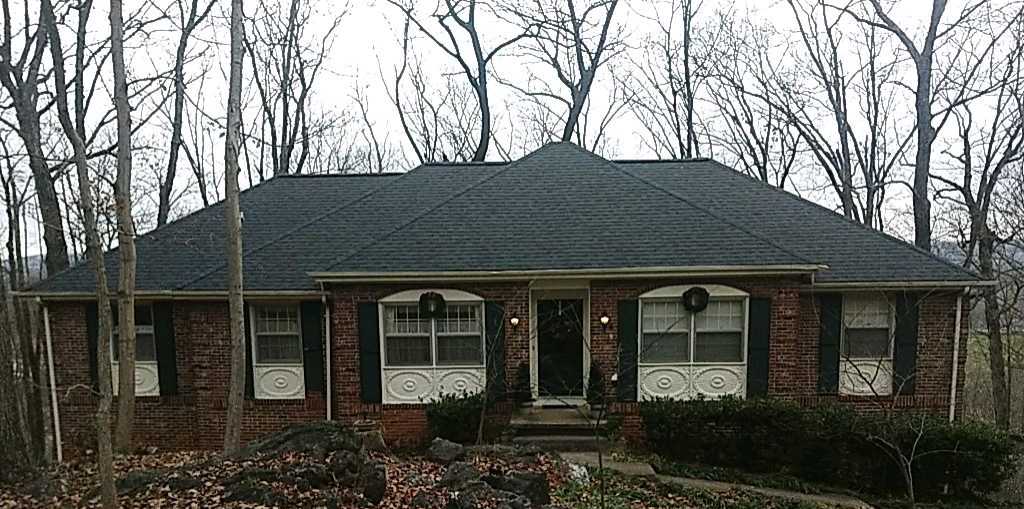
PUT IT TO WORK
Make the goal specific
Choose one sentence for the visit: “I want to understand what assessment is needed,” “I want to compare the proposed options,” or “I want to plan future work.” Add the property details that make that question meaningful.
Explain how the property is used
Tell the contractor about practical access arrangements and anything that could affect the visit. Examples include a locked gate, pets, parking limitations, or a person who needs advance notice. Confirm what access is needed rather than assuming every part of the property will be inspected.
If you are coordinating on behalf of an owner, tenant, family member, or business, identify who can answer questions and who will make decisions. These may be different people. Agree on how findings will reach the decision-maker so important information does not have to pass through several informal summaries.
Bring a brief that fits on one page
Use the following preparation sheet. Complete what you know and leave uncertain items labeled unknown. Keep private contact and address details in your own copy, not in a public post.
- Goal: The decision or question I want help with is…
- Observation: I noticed… in this location… on this date…
- History: The previous work I can document is…
- Records: I have these dated photos, invoices, or descriptions…
- Access: The arrangements or restrictions to discuss are…
- People: The contact for the visit is… and the decision-maker is…
- Next step: Before the visit ends, confirm the action, responsible person, and contact route.
For example, a hypothetical brief could say: “A mark appeared in the rear bedroom after rain. Two dated photographs and a receipt for earlier work are available. We want to understand what assessment is needed.” It establishes a useful starting point without assuming the cause.
Choose your two most important questions and put them at the top. If you want to understand an issue, request an explanation of the findings. If you are comparing options, request the scope and alternatives. If you are planning future work, explain the timing constraint that affects your decision.
Make room for timing and follow-up
If timing matters, explain why. You may be coordinating another renovation or arranging access around work hours. Distinguish your preferred timing from an appointment or project date that has actually been confirmed. Ask how changes will be communicated and which contact to use for new information.
Before the conversation ends, repeat the next step in your own words. Perhaps you are waiting for a written proposal, providing a missing record, or arranging a further assessment. Record that action and the responsible person. A useful appointment may end with a clearer question rather than an immediate construction decision.
Use the repair-or-replacement guide if you need help discussing options. Once a proposal arrives, move to the estimate comparison sheet. Keep the original brief with the resulting documents so you can see how the recommended work relates to the concern you first raised.
KEEP READING
The next useful question.
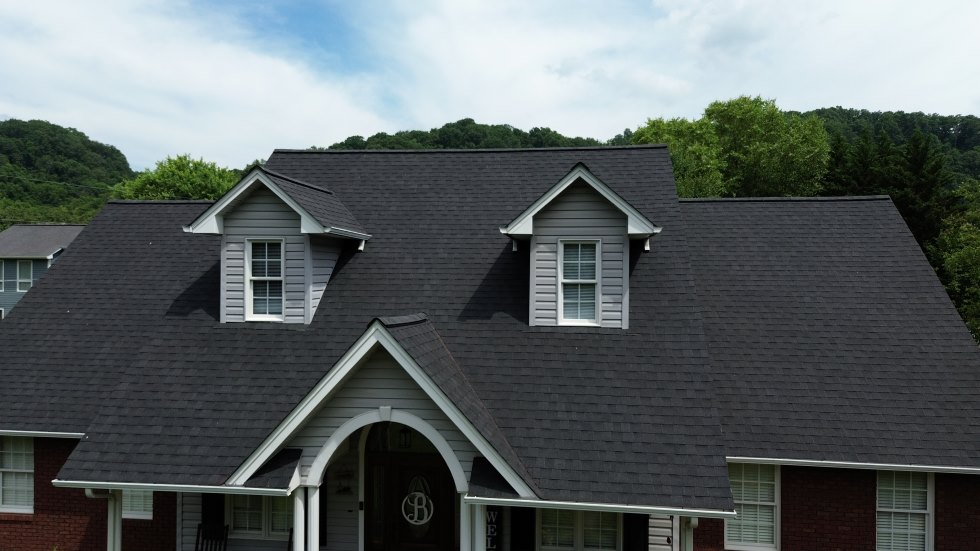 SAMPLE IMAGE · ORIGINAL GALLERY
Roof repair or replacement: what should guide the decision?
A repair and a replacement solve different amounts of work. Before comparing the price, ask what problem each proposal addresses, how much of the roof is included and why that scope is recommended. A leak, a stain or the roof's age does not settle the decision on its own.
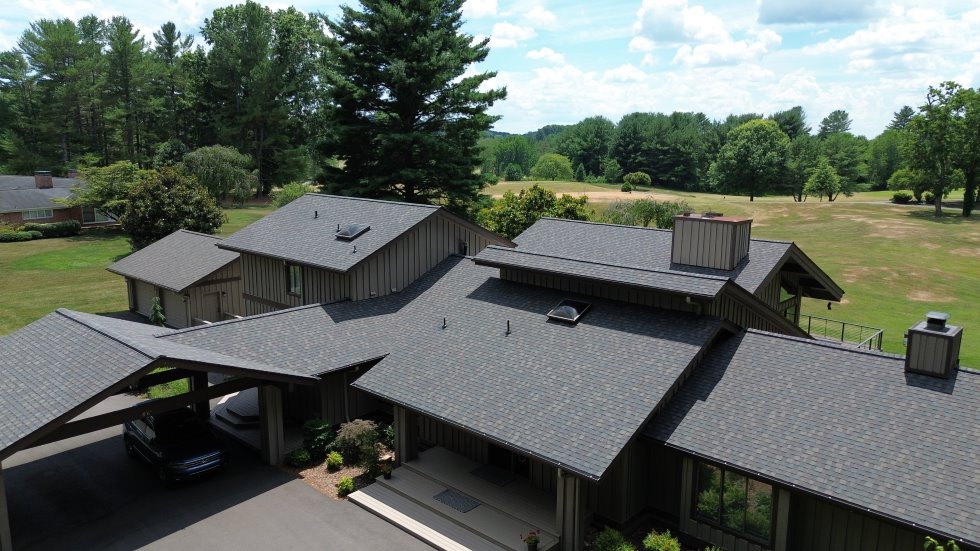 SAMPLE IMAGE · ORIGINAL GALLERY
How to compare roofing estimates beyond the total price
Two roofing estimates can look similar while covering different work. Put the scope beside the total: which roof areas are included, which materials are named, what happens to the old roofing and what is priced separately? Resolve those differences before deciding which proposal offers the work you need.