
Vanderpool Roofing · REPAIR OR REPLACEMENT
Roof repair or replacement: what should guide the decision?
we solve your roofing problems
Compare the reasons, work areas and exclusions behind repair and replacement proposals before deciding which approach fits your roof.
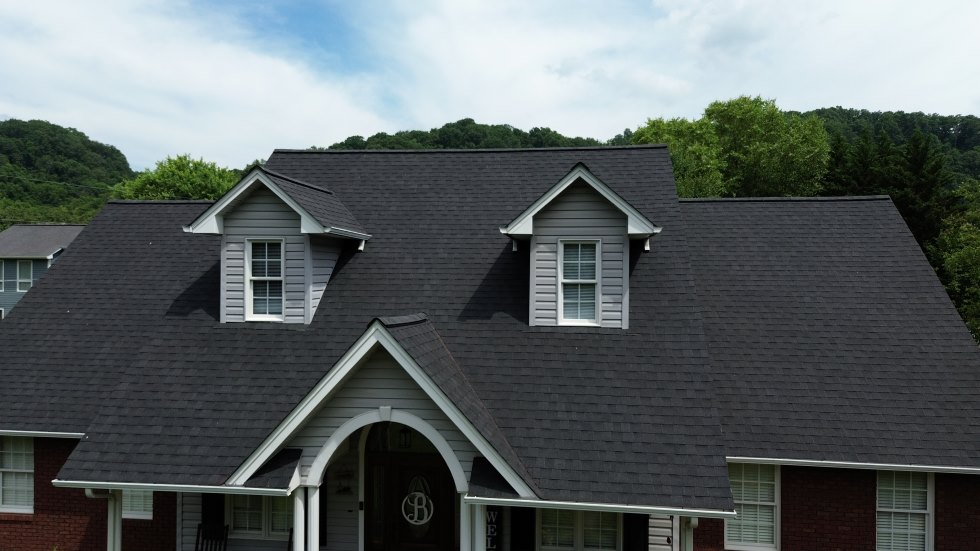 SAMPLE IMAGE · ORIGINAL VANDERPOOL GALLERY
A repair and a replacement solve different amounts of work. Before comparing the price, ask what problem each proposal addresses, how much of the roof is included and why that scope is recommended. A leak, a stain or the roof's age does not settle the decision on its own.
Example to compare
If one proposal covers the area around a dormer and another covers the whole roof, the prices are not directly comparable. Ask why the proposed work areas differ. Then compare the explanation, the included materials and the work that remains outside each scope.
Describe the concern before choosing the solution
Start with what you have actually noticed. Write down the room, the date, the weather at the time, and whether the concern has happened before. “A mark appeared above the upstairs window after rain” gives the conversation a starting point. “The whole roof has failed” is a conclusion that still needs support.
Gather records you already have: an installation invoice, a previous repair description, or photographs taken from a safe place. If the age or material is unknown, write “unknown.” Guessing can steer the conversation toward an explanation that does not fit the building. There is no need to climb onto a roof to prepare a useful brief.
Ask how the findings support the recommendation
Ask the person assessing the roof to separate observations from conclusions. What did they see? Which areas could they assess? Which conditions remain concealed or uncertain? Request photographs with an explanation of where each image was taken and why it matters.
For a repair proposal, ask which concern the work is intended to resolve and which roof areas remain outside the scope. For a replacement proposal, ask what makes a broader project appropriate and whether any narrower option was considered. These questions invite an explanation; they do not assume that either choice is preferable.
Ask what would change the recommendation. A decision is easier to understand when the contractor can explain both its basis and its limits. Keep that explanation beside the written proposal so a later conversation can refer to the same facts.
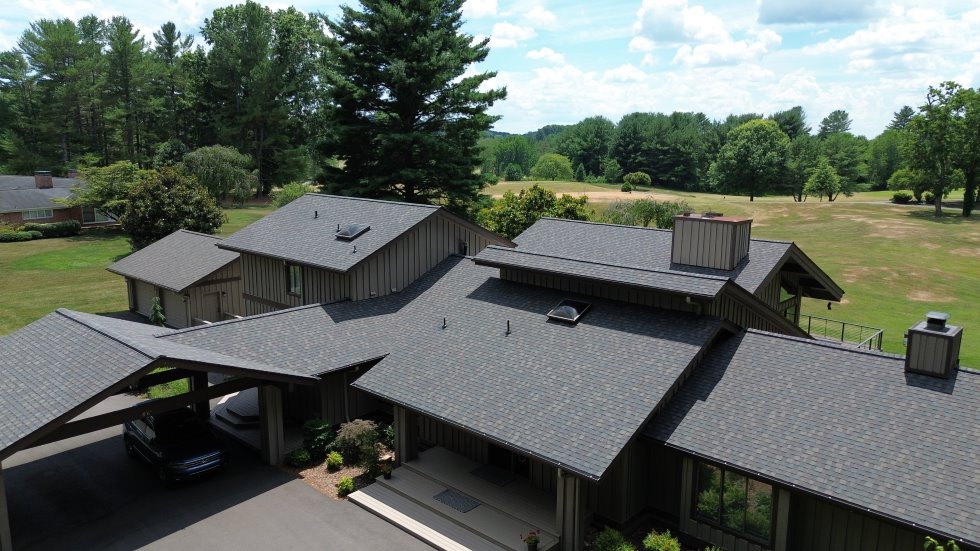
PUT IT TO WORK
Ask for a marked work area
Request a photograph or sketch that identifies the part of your property being discussed. Match that area to the written scope. If two proposals cover different areas, resolve that difference before treating them as alternatives for the same work.
Compare the decisions, not just the project labels
Repair and replacement describe work at different scales. Start by identifying the decision each proposal is trying to solve. A focused concern, a pattern of repeated issues, and a planned wider renovation may lead to different conversations. None of those descriptions determines the correct solution without an assessment.
| What you know | What the recommendation should explain | What remains to resolve |
|---|---|---|
| A concern is visible in one area. | How the findings connect that concern to the proposed work area. | Whether the visible concern is isolated or part of something broader. |
| Earlier work addressed a similar issue. | How the current findings relate to the earlier scope. | What is different this time and why the proposed approach addresses it. |
| A wider project is recommended. | Which findings support extending the scope beyond the immediate concern. | What alternatives were considered and what each leaves outside its scope. |
In a hypothetical comparison, one proposal addresses a defined area while another includes the full roof and related work. Put the marked work areas beside the written reasons. A lower total for a smaller scope and a higher total for a larger scope are not yet a like-for-like choice.
Make room for the unknowns
A clear proposal can acknowledge uncertainty without leaving the process vague. Ask who will contact you if additional work is recommended, what evidence you will receive, and how the updated scope will be recorded before a decision. Keep timing assumptions separate from confirmed arrangements.
General maintenance information also has limits. The National Roofing Contractors Association’s maintenance bulletin describes the value of regular inspection and maintenance; it cannot determine whether your particular roof needs repair or replacement. That judgment needs an assessment of the property.
Leave with a decision you can explain
Before committing, summarize the recommendation in your own words: the concern, the proposed work, the exclusions, and the next step. If a part is unclear, ask for clarification in writing. Read the estimate comparison guide to organize competing proposals, or use the appointment checklist before your first conversation. The aim is a proportionate decision supported by information you can keep.
Further reading
KEEP READING
The next useful question.
SAMPLE IMAGE · ORIGINAL GALLERYHow to compare roofing estimates beyond the total price
Two roofing estimates can look similar while covering different work. Put the scope beside the total: which roof areas are included, which materials are named, what happens to the old roofing and what is priced separately? Resolve those differences before deciding which proposal offers the work you need.
 SAMPLE IMAGE · ORIGINAL GALLERY
What to have ready for a roofing estimate
You do not need a complete roof history to ask for an estimate. Start with the property location, what needs attention and how to reach you. Previous invoices, safe photographs and access details are useful if you already have them.