
Vanderpool Roofing · OBSERVATIONS & SAFETY
Noticed a possible roof leak? What to do and what to record
we solve your roofing problems
Find a practical starting point for a possible roof leak, including safe observations, useful records and questions for a professional.
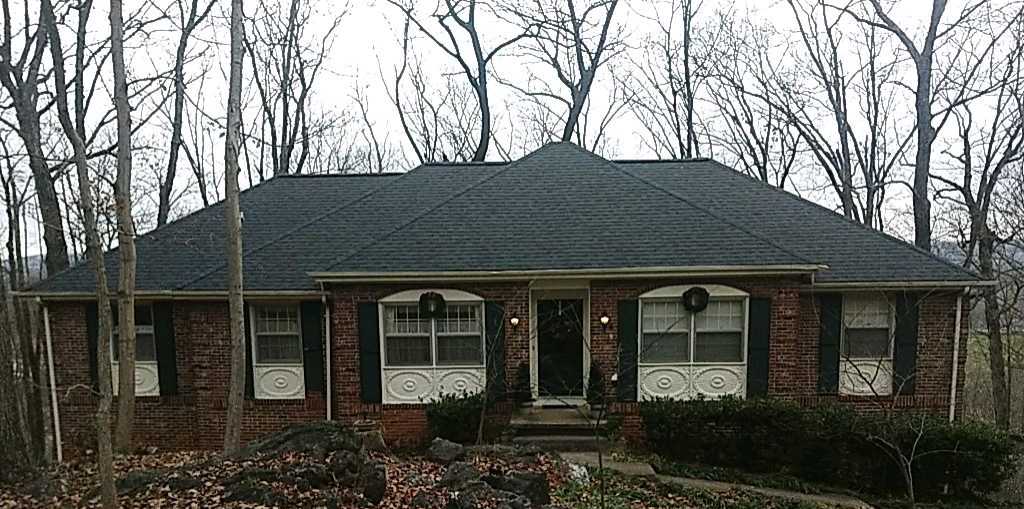 SAMPLE IMAGE · ORIGINAL VANDERPOOL GALLERY
Stay clear of unsafe areas and contact a roofing professional about the concern. From a safe place, note where you saw water or a stain, when it appeared and whether it has happened before. You do not need to climb onto the roof or determine the cause before asking for help.
Put this into practice
Keep the record simple: date, room, visible location, what happened and previous occurrences. Add photographs only if you can take them safely. Do not delay asking for help while trying to create a complete record.
Keep the observation safe
Do not go onto the roof or use a ladder to investigate during a storm. Do not approach damaged areas, sagging ceilings, or water near electrical equipment. If there is immediate danger, move away and contact emergency services or the appropriate utility. This guide is about organizing observations, not carrying out a repair.
During thunderstorms, follow current weather alerts and shelter guidance. The National Weather Service’s indoor lightning guidance advises avoiding plumbing and electrical equipment and staying away from exterior doors, windows, balconies, and porches. Obtaining a photograph is never more important than staying in a safe location.
Write down what happened
Once it is safe, record the date and approximate time you noticed the concern. Name the room and describe the location using a fixed feature: beside a window, near a doorway, or above a particular wall. A simple room sketch can be more useful than an unexplained close-up.
Use neutral descriptions. “A dark mark appeared” or “water was visible at this point” reports an observation. “The flashing has failed” is a diagnosis that may not be supported. Keep your account clear enough that another person can understand it without needing to agree with a theory.
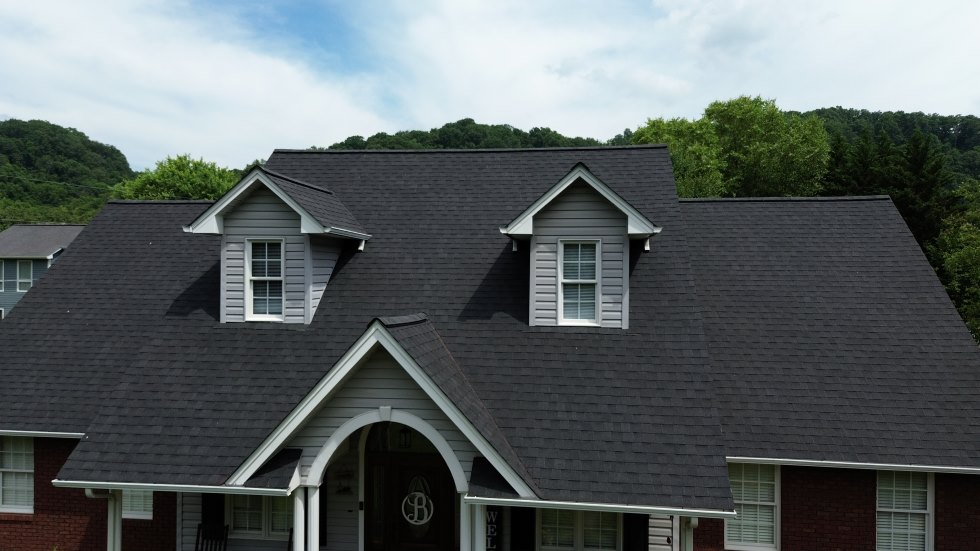
PUT IT TO WORK
Label the viewpoint
“Bedroom, viewed from the doorway” helps another person interpret an image. Keep an overview and close-up together when both can be obtained safely. Save the originals and place your observations in a separate dated note.
Give each photograph context
If photographs can be taken safely, save an overview and a closer image with matching labels. Preserve the originals and add the date and viewpoint in a note. Avoid editing the image in ways that change the appearance of the concern. The person assessing it may need the wider context.
Do not assume the point where an interior mark appears identifies the external entry point. Ask the professional assessment to establish the relationship. Likewise, a photograph of another roof is background illustration; it cannot explain what is happening at your property.
- Date and time first noticed.
- Room and precise visible location.
- What was observed, without a guessed cause.
- Weather or other circumstances you actually noticed.
- Whether this has happened before.
- Relevant previous work and available records.
- Safe photographs and their viewpoints, if available.
Use an observation record, not a diagnosis
| Entry | Useful information | Leave out |
|---|---|---|
| When | Date and time the concern was first noticed | A guessed date when hidden damage began |
| Where | Room and position relative to a fixed feature | An assumed external entry point |
| What | Neutral description of the visible condition | An unverified failure diagnosis |
| Photograph | Original filename, date and safe viewpoint | Edits that change the appearance of the concern |
| History | Earlier occurrence and documented previous work | An unsupported explanation of who caused it |
A hypothetical sequence might read: “Monday evening: mark noticed near bedroom window. Tuesday morning: photographed from doorway. Earlier repair receipt attached.” Keep each entry dated. If a visible condition changes, add a new note instead of replacing the first one.
Do not wait for the concern to happen again merely to complete the record. Seek appropriate professional help and explain any immediate safety issue. The notes support an assessment; they are not proof that a roof component caused the condition.
Ask for an assessment and a clear next step
When contacting a contractor, share the short timeline and ask what information or access is needed next. Confirm the available response arrangements directly. An educational article does not establish emergency availability, a promised response time, or a specific service commitment.
Keep the resulting assessment beside your original observations. Ask which findings support the recommended work and which questions remain open. The appointment guide can help prepare that conversation; the repair-or-replacement guide can help you understand the options afterward. Good notes support the assessment while leaving the diagnosis to the property-specific investigation.
Further reading
KEEP READING
The next useful question.
 SAMPLE IMAGE · ORIGINAL GALLERY
What to have ready for a roofing estimate
You do not need a complete roof history to ask for an estimate. Start with the property location, what needs attention and how to reach you. Previous invoices, safe photographs and access details are useful if you already have them.
SAMPLE IMAGE · ORIGINAL GALLERYRoof repair or replacement: what should guide the decision?
A repair and a replacement solve different amounts of work. Before comparing the price, ask what problem each proposal addresses, how much of the roof is included and why that scope is recommended. A leak, a stain or the roof's age does not settle the decision on its own.